
The Absurd Awakening: When Routine Becomes Nightmare
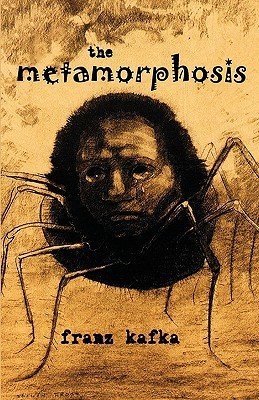
Imagine waking up to the horrifying inexplicable realization that you are no longer human This is the staggering iconic premise of Franz Kafka’s seminal 1915 novella “The Metamorphosis” When the dutiful traveling salesman Gregor Samsa awakens one fateful morning transformed into a monstrous insect (ungeheueres Ungeziefer) it’s not just a fantastical biological disaster it is the ultimate chilling metaphor for existential alienation and the terrifying fragility of human worth in a transactional world
The shocking opening sentence instantly plunges the reader into a world of Kafkaesque absurdity What is most unsettling is that Gregor’s initial concern isn’t his horrifying new form but the impending lateness for his job This immediately underscores the deep-seated societal pressures and the crushing burden of expectation that defined his existence even before his transformation
The Currency of Utility: Why the Bug and the Cost of Indispensability
The provocative title question “Are You Still Human If You Stop Paying?” strikes at the very heart of Kafka’s narrative Before his grotesque transformation Gregor’s entire identity purpose and the regard he received were inextricably linked to his economic function He was the sole financial provider for his demanding and dependent family tirelessly working to clear their debts His transformation into a powerless unproductive creature is a brutal uncompromising commentary on a society that beneath its veneer often equates identity with utility The moment Gregor loses his ability to work he immediately loses his human value
Core Insight: The fact that Gregor’s first thought is professional worry not self-preservation illustrates how deeply ingrained the capitalist imperative is The insect form is a masterstroke of symbolism perfectly embodying the feeling of being despised useless repulsive and utterly incapable of communication a burdensome object to be hidden away rather than a suffering individual
The Chilling Transformation of Family: The Cruelty of Proximity
The novella’s true lingering horror lies not solely in Gregor’s isolated physical state but in the rapid and chilling transformation of his family’s attitude What begins with initial shock and tentative concern quickly dissolves into disgust, resentment, and a chillingly pragmatic detachment Gregor’s once-familiar room becomes a secluded prison its door locked his existence shifting from a loved one to a repulsive financial liability and an embarrassing secret
The family’s gradual systematic withdrawal is agonizing. The removal of furniture from his room—robbing him of his last remnants of humanity and comfort is a powerful depiction of social isolation and dehumanization His sister Grete initially his only caregiver eventually becomes his most vehement accuser articulating the family’s cold desire for his complete disappearance
Power Shifts and Self-Preservation: The Conditional Nature of Love
As the family—
his father mother and sister is forced to find their own means of income they regain a sense of purpose and agency Their lives begin to flourish anew ironically as Gregor’s suffering intensifies. This narrative arc forces readers to confront uncomfortable truths: Do we genuinely love people for who they are or for the roles they play and the provisions they offer ?
Kafka exposes the raw often ruthless, instinct for self-preservation that can override familial bonds when an individual becomes a burden The family’s final detachment is a form of active cruelty demonstrating how easy it is to rationalize the abandonment of someone deemed “other” or “useless.”
The Enduring Legacy of Existential Dread
More than a century after its publication Kafka’s “The Metamorphosis” remains a cornerstone of World Literature because its themes are tragically undeniably timeless. It is a profound exploration of modern anxiety the dehumanizing nature of rigid societal structures and the existential dread of feeling profoundly different isolated and ultimately disposable
Reading this novel is an essential confrontation with the possibility that beneath the veneer of human connection and affection, our inherent worth may be conditional, tied to our productivity our contributions and our ability to “pay our way” Kafka’s masterpiece serves as a potent reminder to constantly re -evaluate what truly defines our humanity in an increasingly transactional world